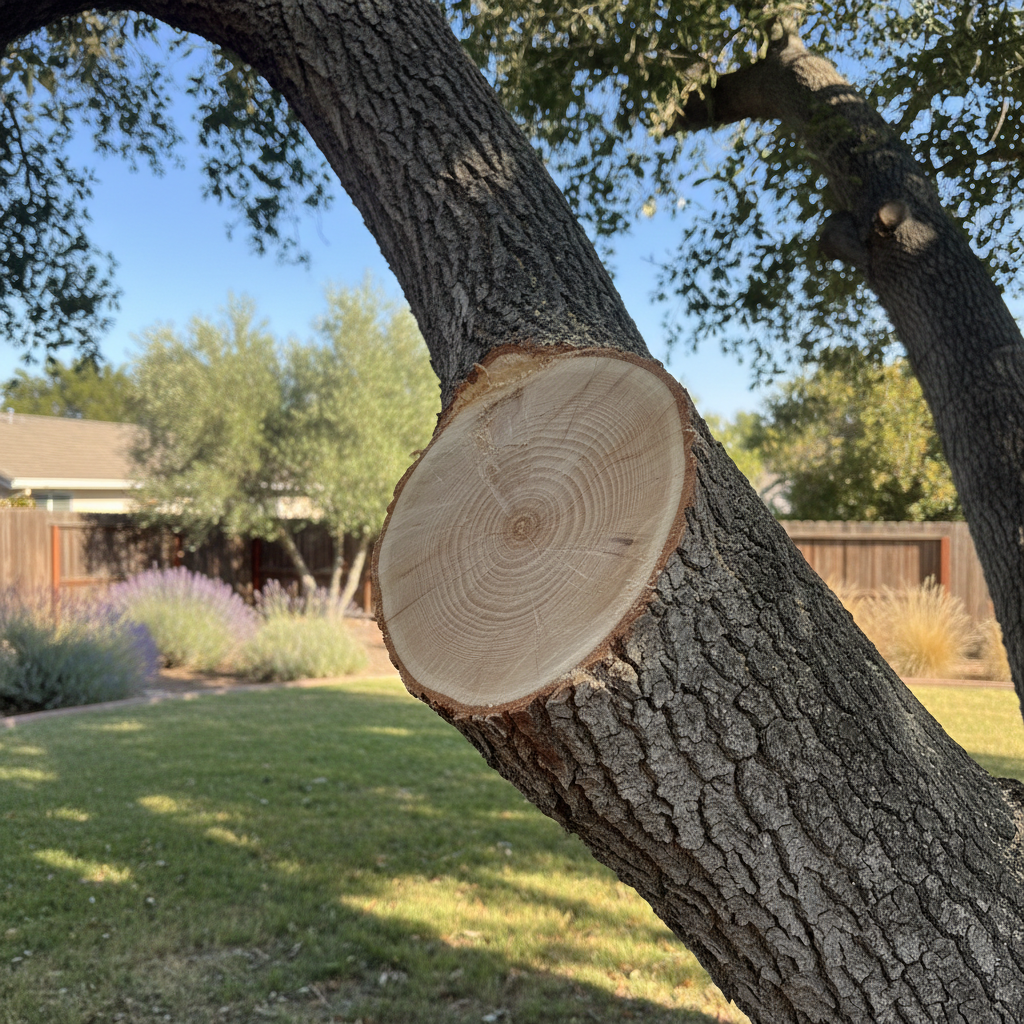
Alright, let's talk about pruning your trees. It's one of those jobs that seems straightforward, but there's a lot more to it than just grabbing a saw. As someone who's been working with trees around Davis for years, I've seen it all – good cuts, bad cuts, and some downright dangerous situations. So, here's the lowdown on what you can realistically handle yourself and when you absolutely need to call in the cavalry.
Before You Even Pick Up a Tool
First things first: know your tree. Seriously. Different trees respond to pruning differently. A young fruit tree needs different care than a mature oak. What's its purpose? Is it for shade, fruit, or just looks? That'll guide your approach.
- Safety First: This isn't just a catchphrase. Look up. Are there power lines nearby? Is the branch you're eyeing over your house or a neighbor's fence? If there's any doubt about safety, stop. Seriously. No tree is worth an emergency room visit or a damaged roof.
- The Right Tools: For small stuff, you'll need sharp hand pruners, loppers, and maybe a small hand saw. Dull tools tear bark, which opens the tree up to disease. Keep 'em sharp and clean. For anything bigger, you're getting into pro territory.
- Timing is Key: Generally, late winter or early spring, when the tree is dormant, is the best time for most deciduous trees. The leaves are off, so you can see the branch structure, and the tree is ready to heal once spring growth starts. Pruning in summer can stunt growth, and fall pruning can invite disease. There are exceptions, like some fruit trees or specific ornamental varieties, so do a quick search for your particular tree species.
- Know Your Limits: This is probably the most important 'before' point. If you need a ladder, if the branches are thicker than your wrist, or if you're not sure what you're doing, you're probably past your DIY limit.
What You Can (and Should) Do Yourself
For most homeowners, your pruning efforts should focus on maintenance and light shaping. Think of it as giving your tree a haircut, not major surgery.
- Dead or Diseased Branches: This is a big one. Any branch that's clearly dead (no leaves, brittle, discolored) or shows signs of disease (cankers, strange growths) should come off. Cut back to healthy wood. This improves the tree's health and reduces the risk of falling limbs.
- Crossing or Rubbing Branches: When two branches rub against each other, they create wounds that can become entry points for pests and diseases. Pick the stronger, better-placed branch and remove the other.
- Suckers and Water Sprouts: Suckers grow from the base of the tree or its roots. Water sprouts shoot straight up from branches. Both are usually weak, don't contribute much to the tree's health or structure, and just hog nutrients. Snip 'em off.
- Light Shaping and Clearance: You can trim small branches that are growing too close to your house, blocking a walkway, or just making the tree look lopsided. Keep your cuts small – less than an inch or so in diameter.
When you make a cut, always cut just outside the branch collar – that slightly swollen area where the branch meets the trunk or a larger branch. Don't leave stubs, and don't cut flush with the trunk. The branch collar contains special cells that help the tree heal.
When to Call a Professional (Like Midway Tree)
This is where my advice gets really direct. If any of these situations apply, put down the saw and pick up the phone. It's not just about getting the job done; it's about getting it done safely and correctly, protecting your tree and your property.
- Large Branches: Anything over 1-2 inches in diameter. These require specific cutting techniques to prevent tearing bark and can be heavy, making them dangerous to handle.
- Height and Ladders: If you need to go up a ladder to reach a branch, it's a job for a pro. Falls from ladders are no joke, and trying to manage a saw while balancing is a recipe for disaster.
- Proximity to Structures or Wires: Branches overhanging your house, garage, or power lines are a huge risk. One wrong move and you're looking at major damage or a power outage for your whole block. Especially with the older, more established trees we see in neighborhoods like Old North Davis, these situations pop up all the time.
- Structural Pruning or Major Reshaping: If your tree has a poor structure, included bark, or needs significant weight reduction, that's complex work. An arborist knows how to make cuts that improve the tree's long-term health and stability, not just its immediate appearance.
- Disease or Pest Identification: If you're seeing strange symptoms and aren't sure what's going on, a professional can diagnose the problem and recommend the best course of action, which might include specific pruning techniques or treatments.
- Storm Damage: After a big windstorm, you might have broken or hanging branches. These are incredibly dangerous and unstable. Do not try to remove them yourself.
A good arborist, like us at Midway Tree, has the right equipment, the training, and the insurance to handle these jobs safely and effectively. We understand tree biology and how to make cuts that benefit the tree's health and structure in the long run. We're not just hacking away; we're thinking about the tree's future.
So, do your light maintenance, keep an eye on your trees, and enjoy the process. But when the job gets bigger than you're comfortable with, or if there's any risk involved, don't hesitate to call in a pro. It's an investment in your tree's health and your peace of mind.