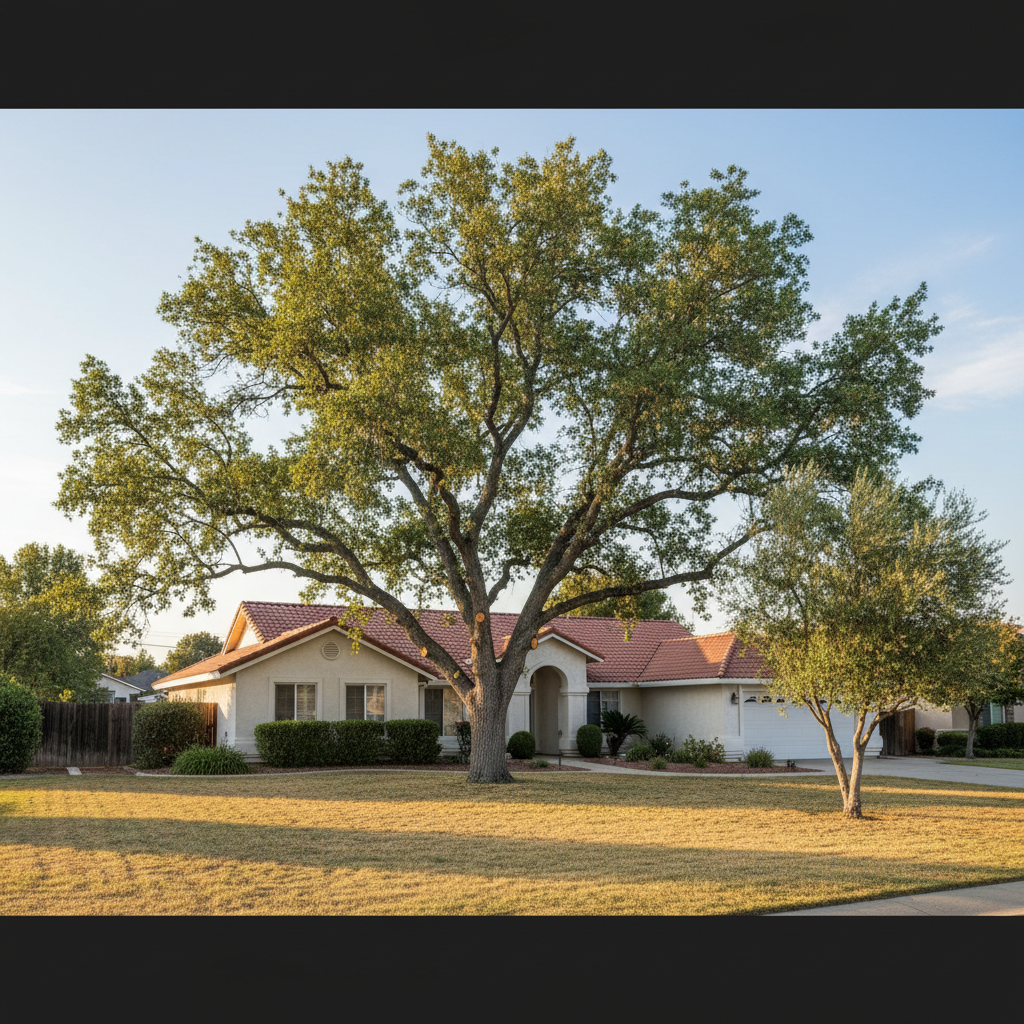
You've got some trees on your property, and maybe they're looking a little shaggy, or you're worried about branches overhanging your roof. Good on you for thinking about getting them pruned. It's a smart move for tree health and your safety. But I've seen a lot of folks in Davis make some pretty common blunders when they're planning or hiring for a pruning job. Let's talk about what to watch out for so you don't end up regretting your choices.
Mistake #1: Hiring the Lowest Bid Without Asking Questions
Everyone wants to save a buck, I get it. But when it comes to tree work, the cheapest bid can often be the most expensive in the long run. I've seen it time and again. You get a quote that seems too good to be true, and guess what? It usually is. A lot of these 'bargain' guys aren't licensed, they're not insured, and they definitely don't know what they're doing when it comes to proper tree care.
Ask for proof of insurance – general liability and workers' comp. If they can't show it, send 'em packing. You don't want to be on the hook if someone gets hurt on your property or if they damage your neighbor's fence. Also, ask for references. A reputable company like Midway Tree will have no problem providing them.
Mistake #2: Topping Your Trees
This is probably the biggest, most destructive mistake I see. Topping is when someone cuts off the main branches or stems of a tree, leaving stubs. People think it makes the tree smaller or safer. What it actually does is stress the tree out, makes it susceptible to disease and pests, and often leads to weak, rapid growth that's even more dangerous down the line. It's like giving your tree a really bad haircut with a chainsaw. A good arborist will never recommend topping. They'll talk about structural pruning, crown reduction, or thinning – terms that mean they know how to prune a tree to keep it healthy and strong, not just chop it up.
Mistake #3: Not Understanding the 'Why' Behind the Pruning
Before any work starts, you should know exactly why your tree needs pruning and what the goals are. Is it for safety? To improve light penetration? To remove dead wood? To shape it away from a structure? If the person giving you the estimate can't clearly explain the purpose of their cuts, that's a red flag. You should be able to visualize the outcome and understand how it benefits the tree. Don't just say,