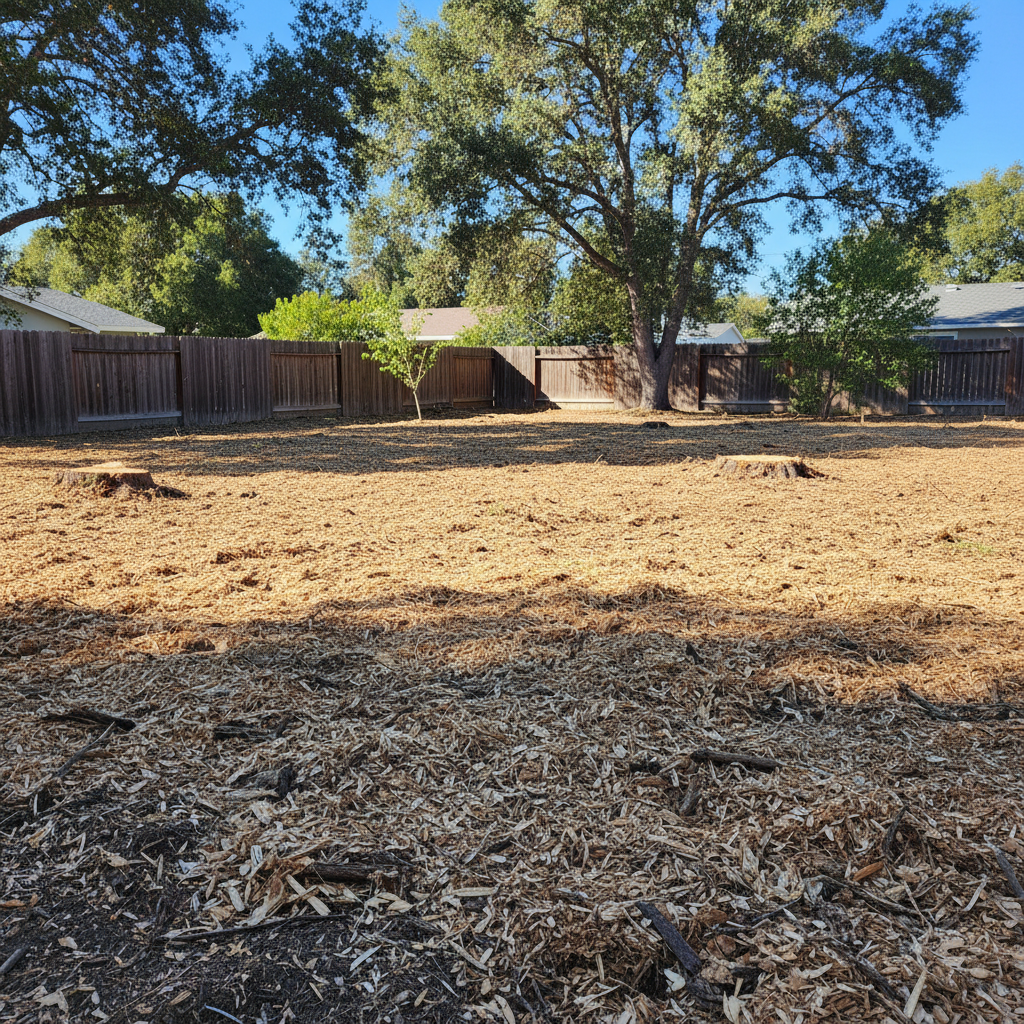
So, you've got a piece of land in Davis that's looking more like a jungle than a backyard. Maybe you just bought a new place, or maybe that corner of your property has just gotten away from you. Lot clearing can seem like a huge job, and it often is. But before you dive in, or even pick up the phone, let's break down what you really need to know.
Before You Even Think About Clearing
First things first: planning. This isn't just about grabbing a machete and going to town. You need to understand what you're clearing and why.
- Know Your Property Lines: This might sound obvious, but you'd be surprised how many folks start clearing only to find out they've encroached on a neighbor's land. Get a survey if you're not absolutely sure. It'll save you a whole lot of headaches and potential legal battles later.
- Identify What Stays and What Goes: Walk the property. Mark the trees you want to keep, the shrubs you want to remove, and any structures or features that need protection. Sometimes, what looks like a nuisance plant is actually a valuable native species you might want to preserve.
- Check for Utilities: Are there any underground power lines, water pipes, or gas lines? A quick call to 811 (Dig Alert) is free and essential. You don't want to hit a gas line with a shovel, let alone a stump grinder.
- Permits, Permits, Permits: This is a big one in Davis. Depending on the size of the trees you're removing, or the scope of the clearing, you might need a permit from the city. Don't skip this step. The fines for unpermitted tree removal can be steep, especially for heritage trees. This is where a local pro can really help, as we're usually up to speed on the latest city ordinances.
- Consider the Season: Clearing in the middle of summer when it's 100+ degrees out here in Davis is brutal. Spring or fall is often much more comfortable for this kind of work, both for you and for the equipment.
What You Can Realistically DIY
For smaller projects, you can absolutely do some of the work yourself. Think about what you're comfortable with and what tools you have access to.
- Brush and Small Saplings: If it's just overgrown brush, weeds, and small saplings (say, under 2-3 inches in diameter), you can probably handle this with a good pair of loppers, a brush cutter, or a sturdy chainsaw. Make sure you've got proper safety gear: gloves, eye protection, ear protection, and sturdy boots.
- Hauling Debris: Even if you hire someone to do the heavy cutting, you might save some money by hauling away the smaller debris yourself. Rent a trailer or make multiple trips to the local landfill or green waste facility.
- Light Pruning: If you're just clearing around existing trees to give them some breathing room, and it's within reach from the ground or a stable ladder, you can do some light pruning.
Remember, your physical limits are real. Don't overdo it, especially if you're not used to this kind of strenuous work. Dehydration is a real risk in our climate.
When to Call Midway Tree (aka, the Pros)
There's a point where DIY stops being cost-effective or safe, and that's when you need to bring in the experts. Here's when to pick up the phone:
- Large Trees: Anything over, say, 6-8 inches in diameter, especially if it's tall or near structures, is a job for professionals. We have the right equipment (cranes, chippers, stump grinders) and the training to do it safely and efficiently. Trying to fell a large oak yourself near your house in the Old North Davis neighborhood is asking for trouble.
- Stump Removal: While you can dig out small stumps, larger ones are a massive undertaking. Stump grinders make quick work of them, and it's usually not worth renting one yourself for a single job.
- Dense Overgrowth/Acreage: If your property is heavily overgrown with thick brush, thorny bushes, or a forest of small trees, a professional crew with specialized equipment can clear it in a fraction of the time it would take you.
- Sloped or Difficult Terrain: If your lot isn't flat, or if it's got tricky access, that adds a whole new layer of complexity and danger to the work.
- Permit Navigation: We deal with city permits all the time. We know the ins and outs, which can save you a lot of time and potential missteps.
- Safety Concerns: If you feel unsafe at any point, or if you're not confident in your ability to use a tool like a chainsaw safely, stop. Your safety and the safety of your property are paramount. We're insured for a reason.
After the Clearing is Done
So, the land is clear. Now what?
- Debris Removal: Make sure all the cleared material is properly disposed of. Chipping is a great option if you can use the mulch, otherwise, it needs to be hauled away.
- Soil Management: Exposed soil, especially our clay-heavy Davis soil, can be prone to erosion. Consider planting ground cover, spreading mulch, or planning for your next landscaping project quickly to protect it.
- Future Planning: Now that you have a blank slate, think about what you want to do with the space. This is the fun part! Whether it's a garden, a new lawn, or an outdoor living area, having a plan will help you maintain your newly cleared land.
Lot clearing is a big job, but with careful planning and knowing when to call in the pros, you can get your property looking exactly how you want it. Don't hesitate to reach out to Midway Tree if you need a hand or just have questions about your specific situation.